STRANGER THINGS REVIEW

Stranger Things: A Series That Almost Became Legendary


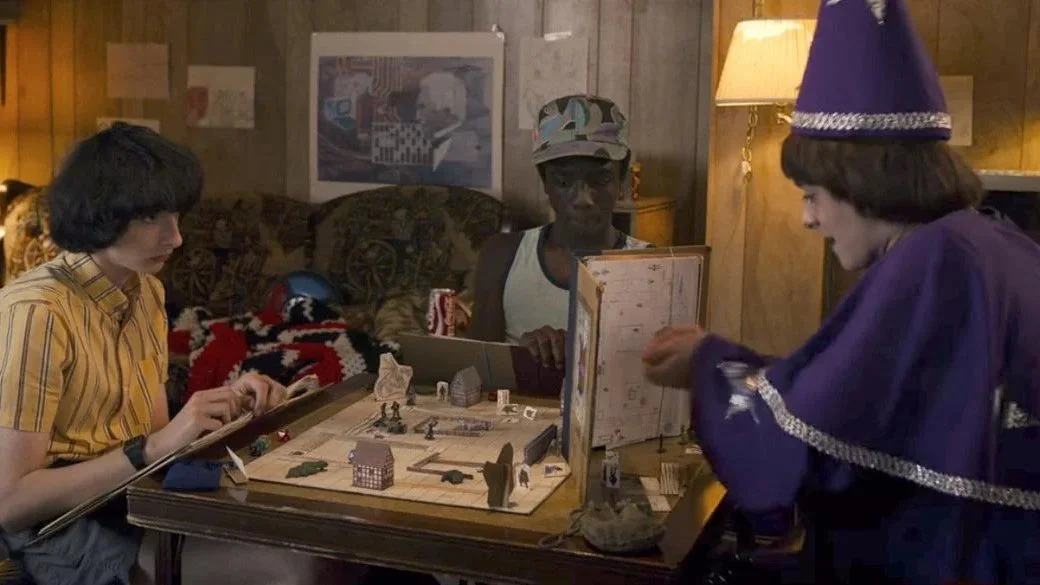
Stranger Things is one of those rare shows that instantly feels familiar. From the opening episodes, it tapped into something deeply nostalgic bikes on empty streets, basement hangouts, Dungeons & Dragons campaigns that felt bigger than the real world. Season 1 didn’t just tell a story; it invited you into it. A small group of kids, a mystery unfolding slowly, and the sense that anything strange or magical could be hiding just beyond the tree line. It felt intimate, adventurous, and personal in a way most shows never manage.


What made those early seasons special wasn’t just the monsters or the 80s references. It was the scale. The story stayed close to its characters. The Upside Down felt dangerous because it was unknown, not because it was loud. Wormholes, dimensional portals, and strange beings were introduced with restraint, grounded by a D&D-style investigative structure that made the audience feel like part of the party. It was the kind of adventure every kid wanted to be part of curiosity first, courage second, spectacle last. As the series progressed, the characters did grow in meaningful ways. Hopper and Eleven became the emotional core of the show, grounding the chaos with real stakes and real consequences. New characters were introduced, some of them excellent, and for a while the balance still held. The world expanded, but it hadn’t yet overwhelmed the story.


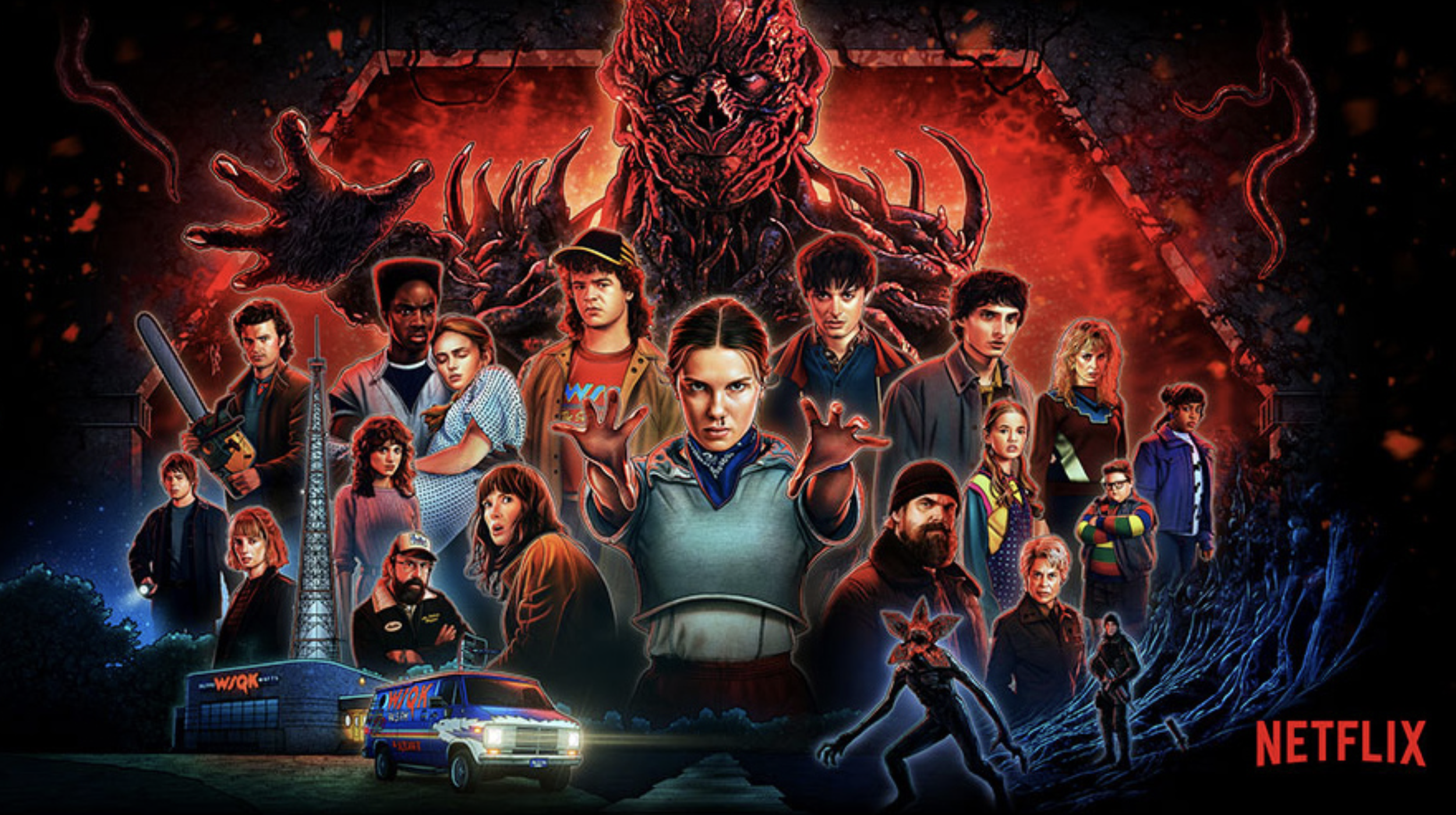
Eventually, though, the scale started working against it. By the later seasons culminating in Season 5 the show was juggling too many characters, too many locations, and too many overlapping storylines at once. What once felt like a focused D&D campaign began to resemble multiple campaigns being played simultaneously. The intimacy that defined Seasons 1 and 2 slowly faded, replaced by constant escalation. Bigger threats. More lore. More moving pieces. Less room to breathe.


The finale, in particular, struggled with closure. Despite assurances that the show wouldn’t end in a vague, open-ended way, it ultimately leaned in that direction. For a series built on emotional connection and shared nostalgia, the lack of a more definitive ending felt unsatisfying. Not because everything needed to be tied up perfectly, but because the story earned the right to truly end.


That said, it’s important to be clear: Stranger Things is still a very good show. It’s visually striking, culturally impactful, and filled with moments that will stick with people for years. The nostalgia works. The D&D inspiration works. The world it created feels lived-in and, at times, genuinely comforting. It just never fully delivered on the greatness it was clearly capable of.
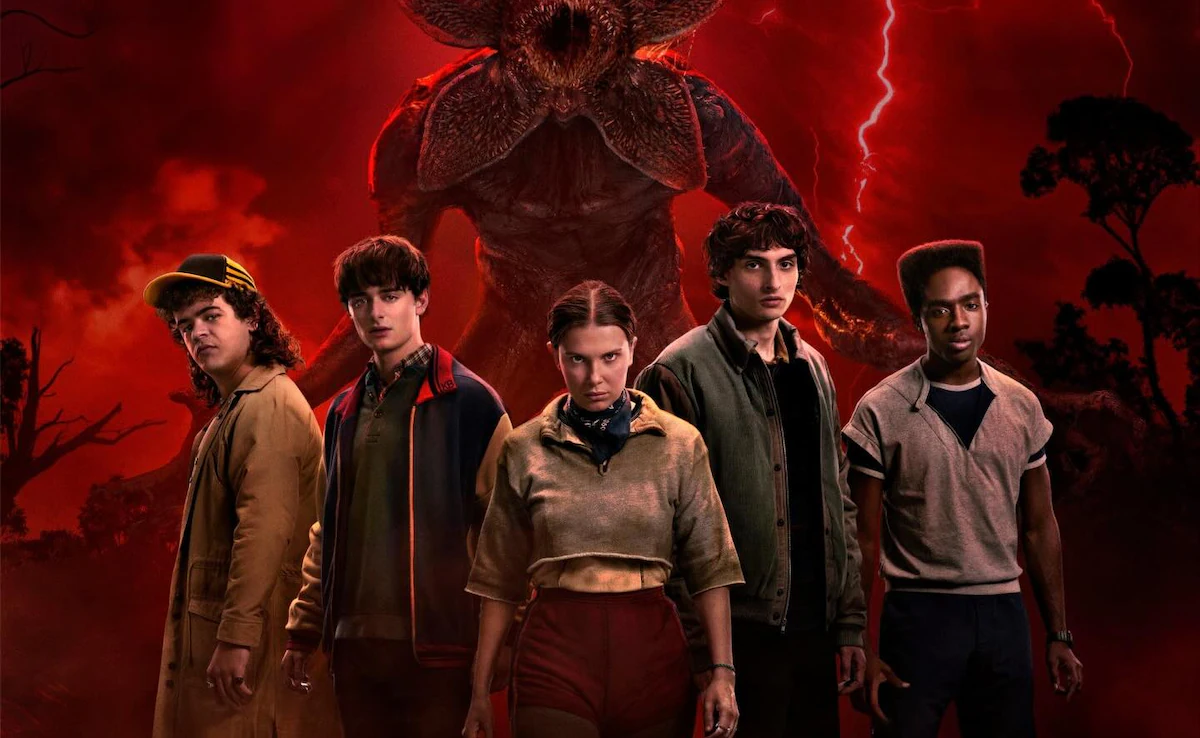
For me, Stranger Things lands at a solid 7 out of 10. Above average. Memorable. Occasionally brilliant. But held back by long-term storytelling decisions that sacrificed intimacy for scale. It’s a series I’m glad existed and one I’ll always think about as the show that came incredibly close to being legendary.